
Operational software built around your business.
Moins Technologies listens to where the strain is coming from and connects the systems you already rely on, so your team can grow without giving up control of your data.
Free 30–45 minute call
Ouro Atelier
Coming soon
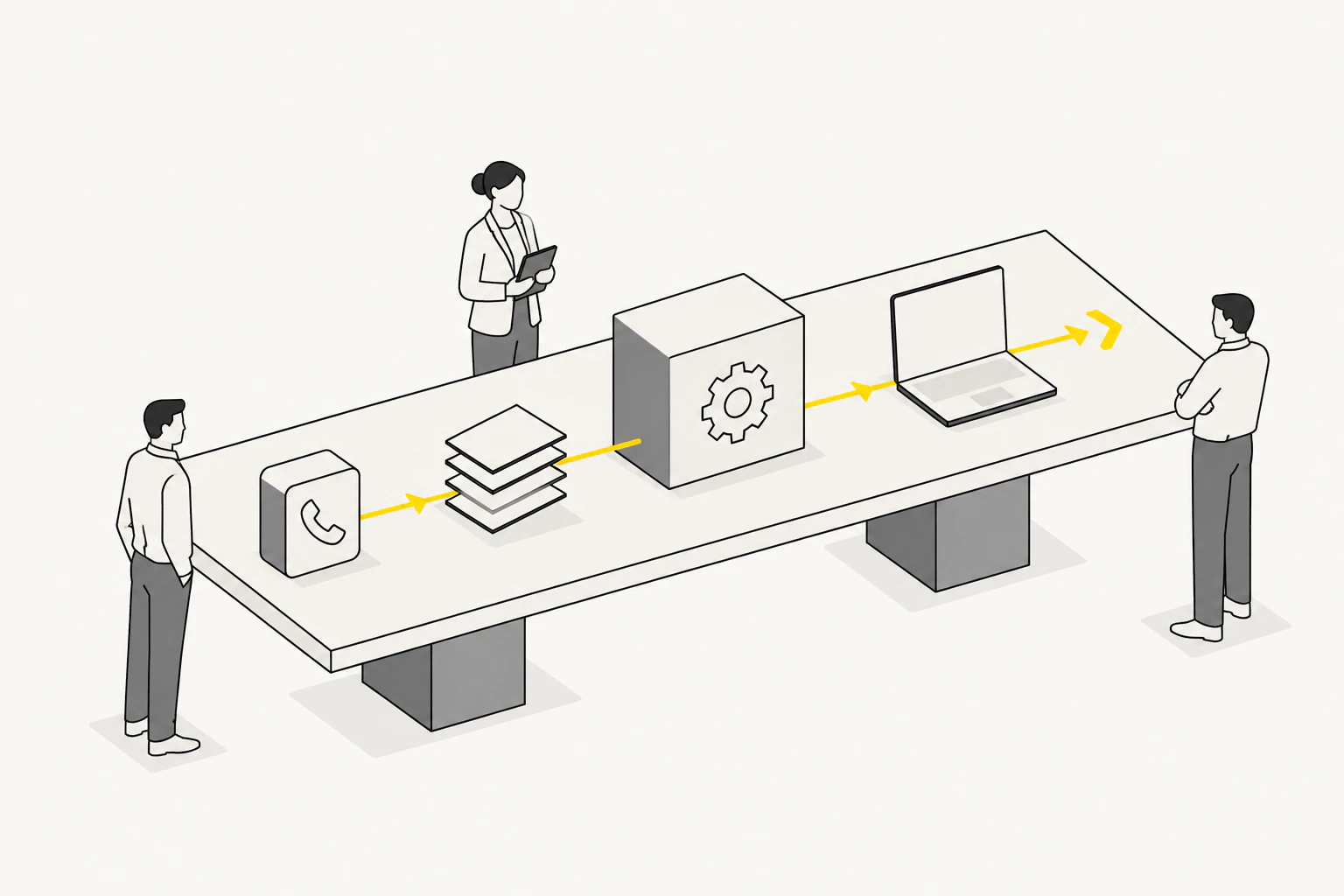
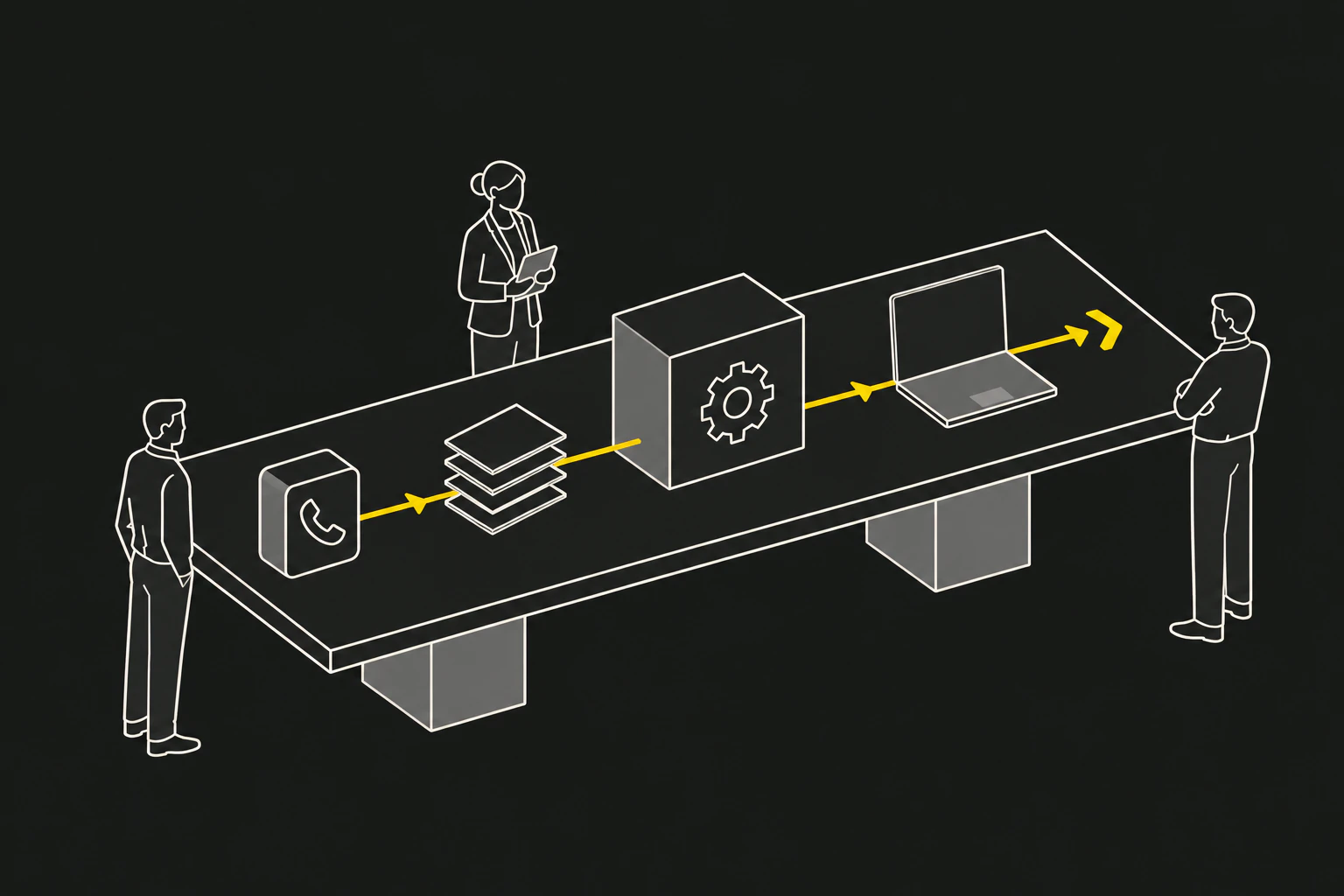
Meet Ouro Atelier. Seven products built to give your team its time back.
More time for patients. Better conversations with clients. A clearer view of your operations. Discover seven purpose-built Ouro Atelier products, coming soon from Moins Technologies.
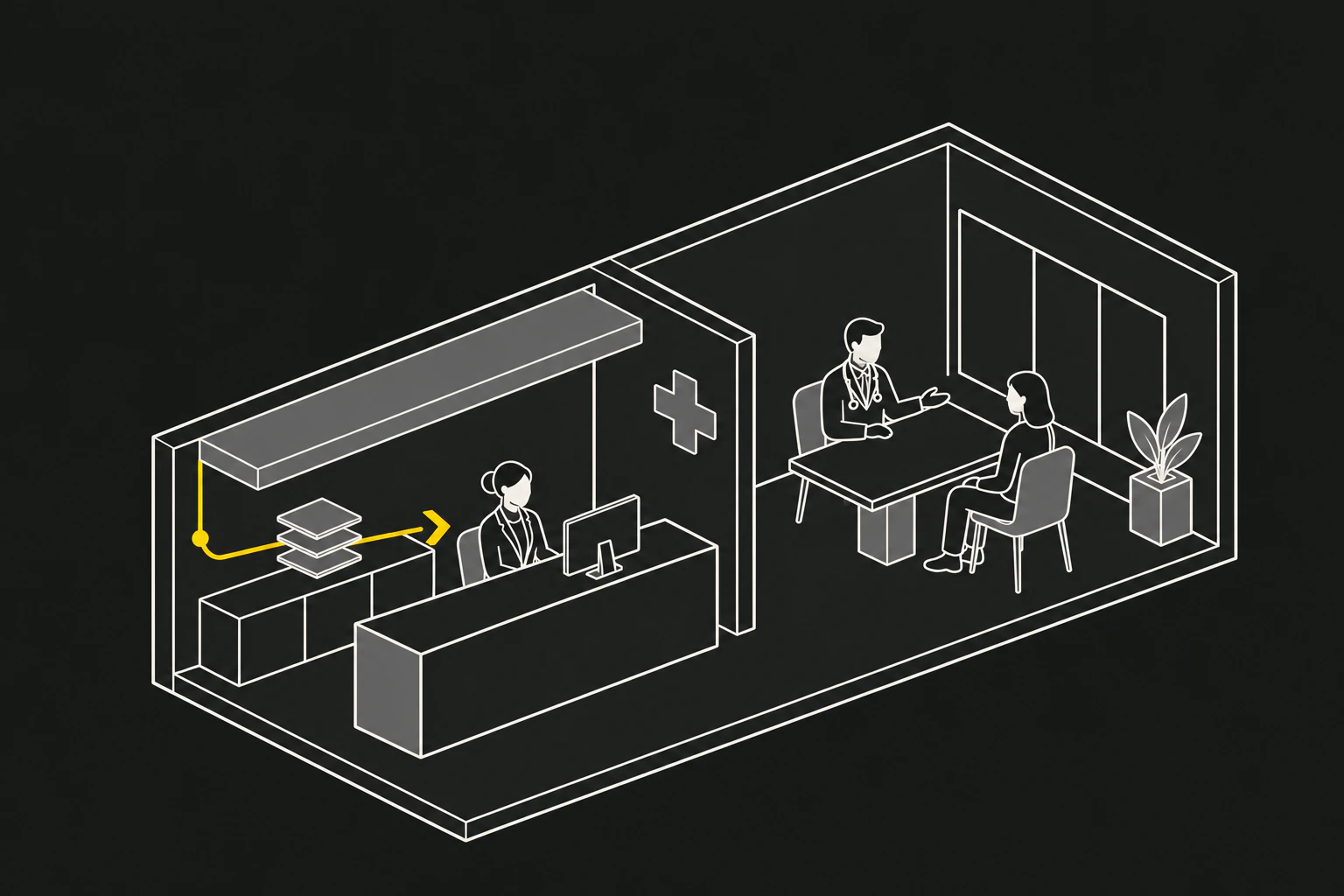

 For clinic owners
OuroMedic
Less time on the phone. More time for patients.
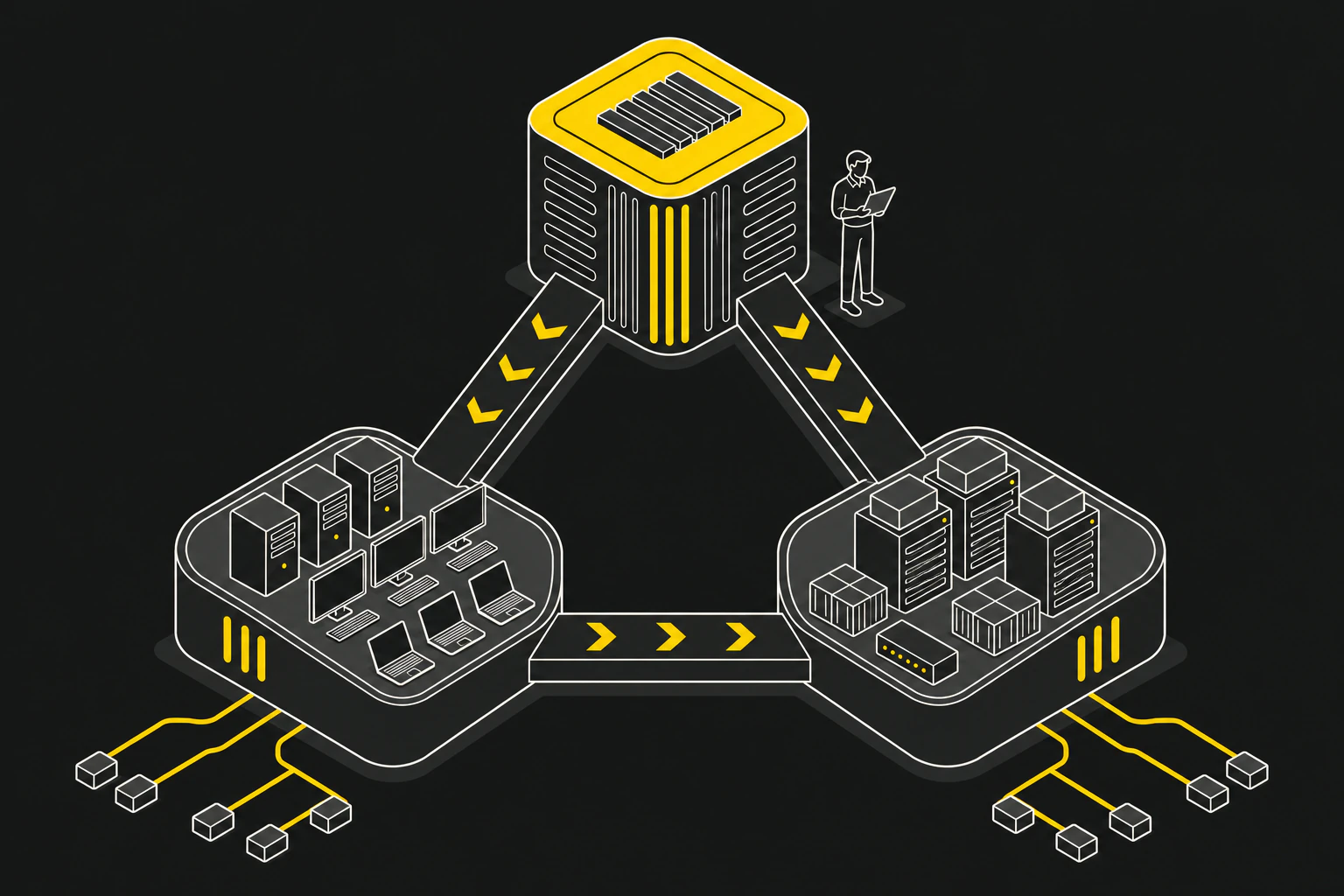
OuroNexus
Stay close to every computer. Without being everywhere.
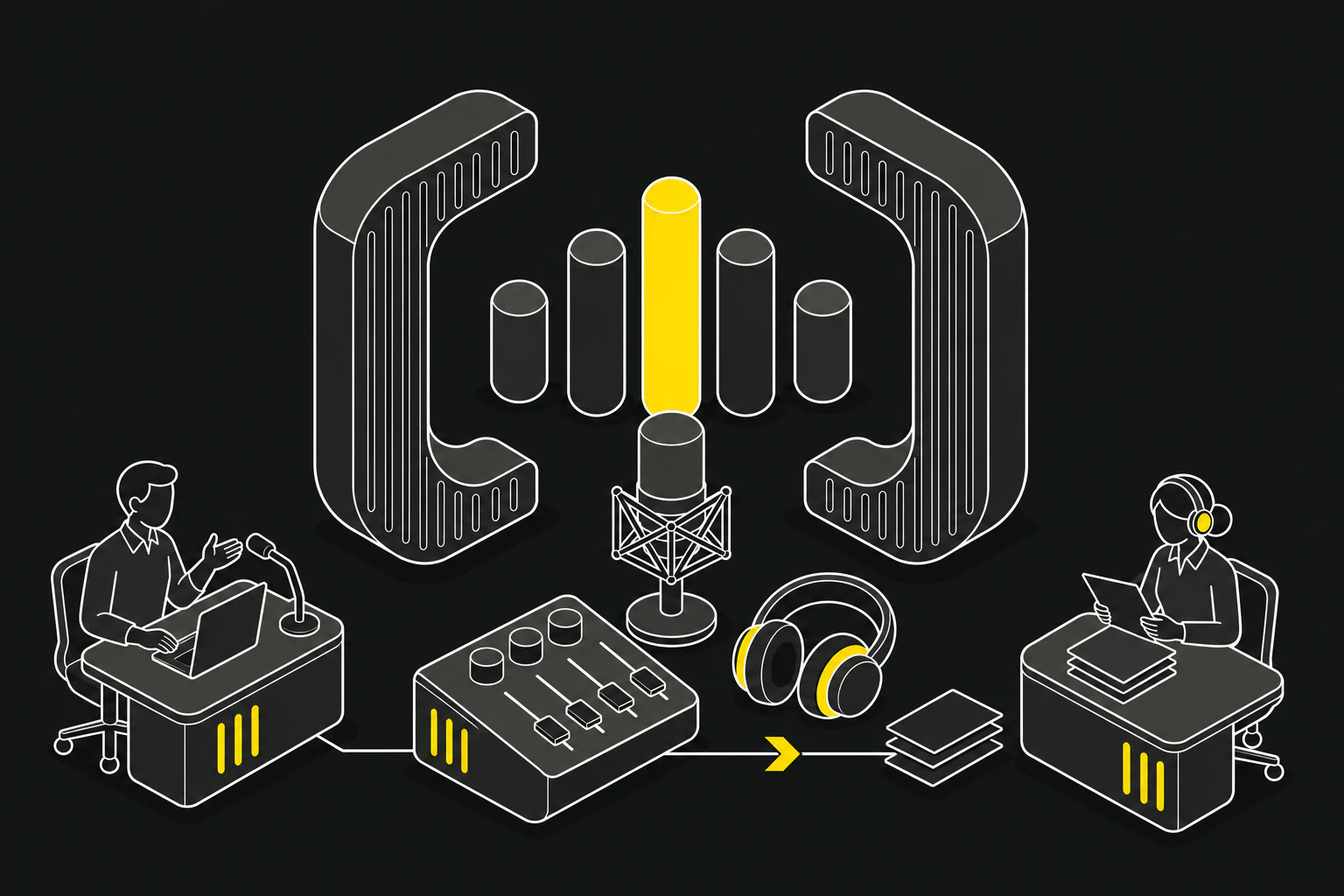


OuroDialogue
Put the conversation first. Give the busywork somewhere else to go.
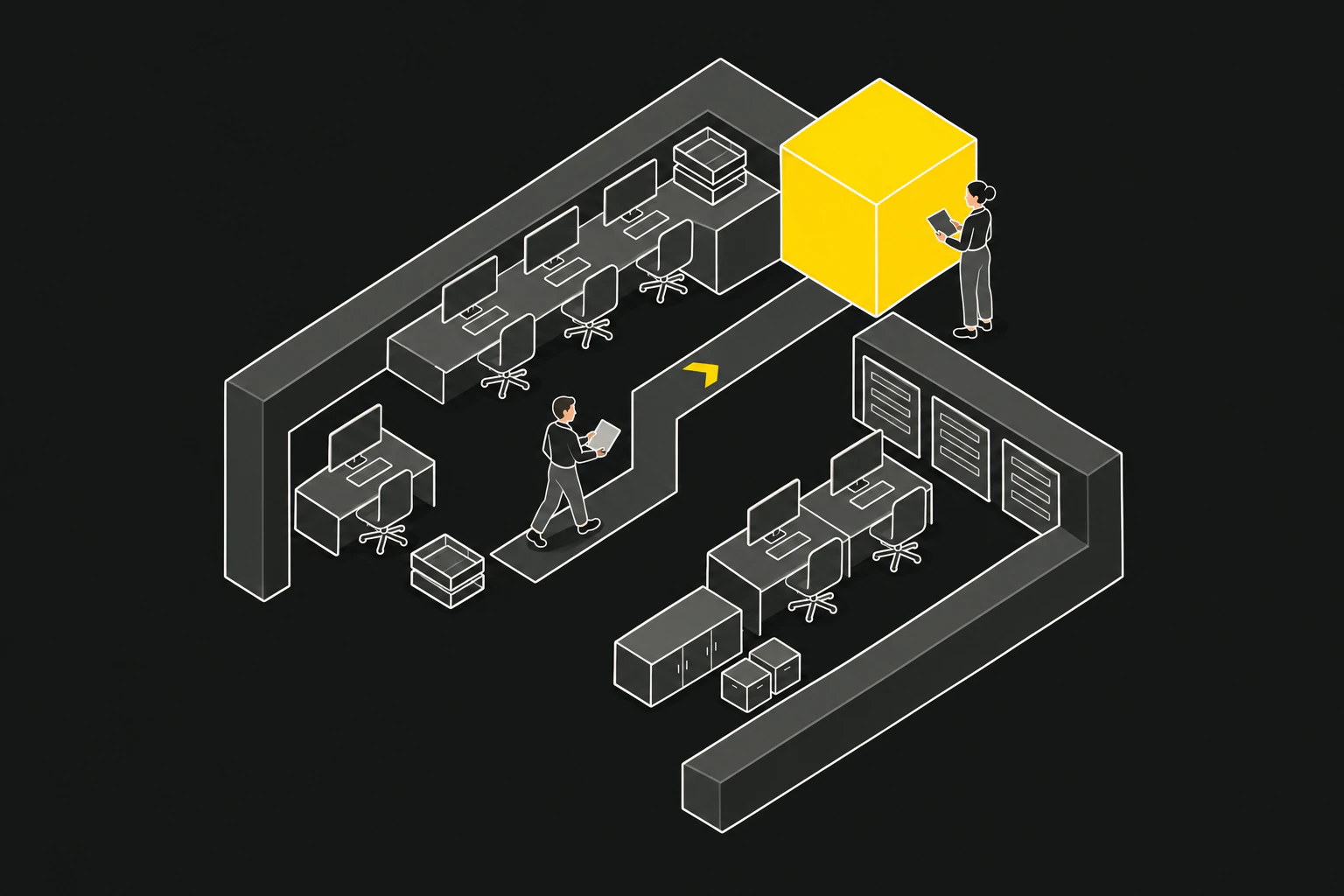


OuroPanel
One place to see the work. One clear next step.
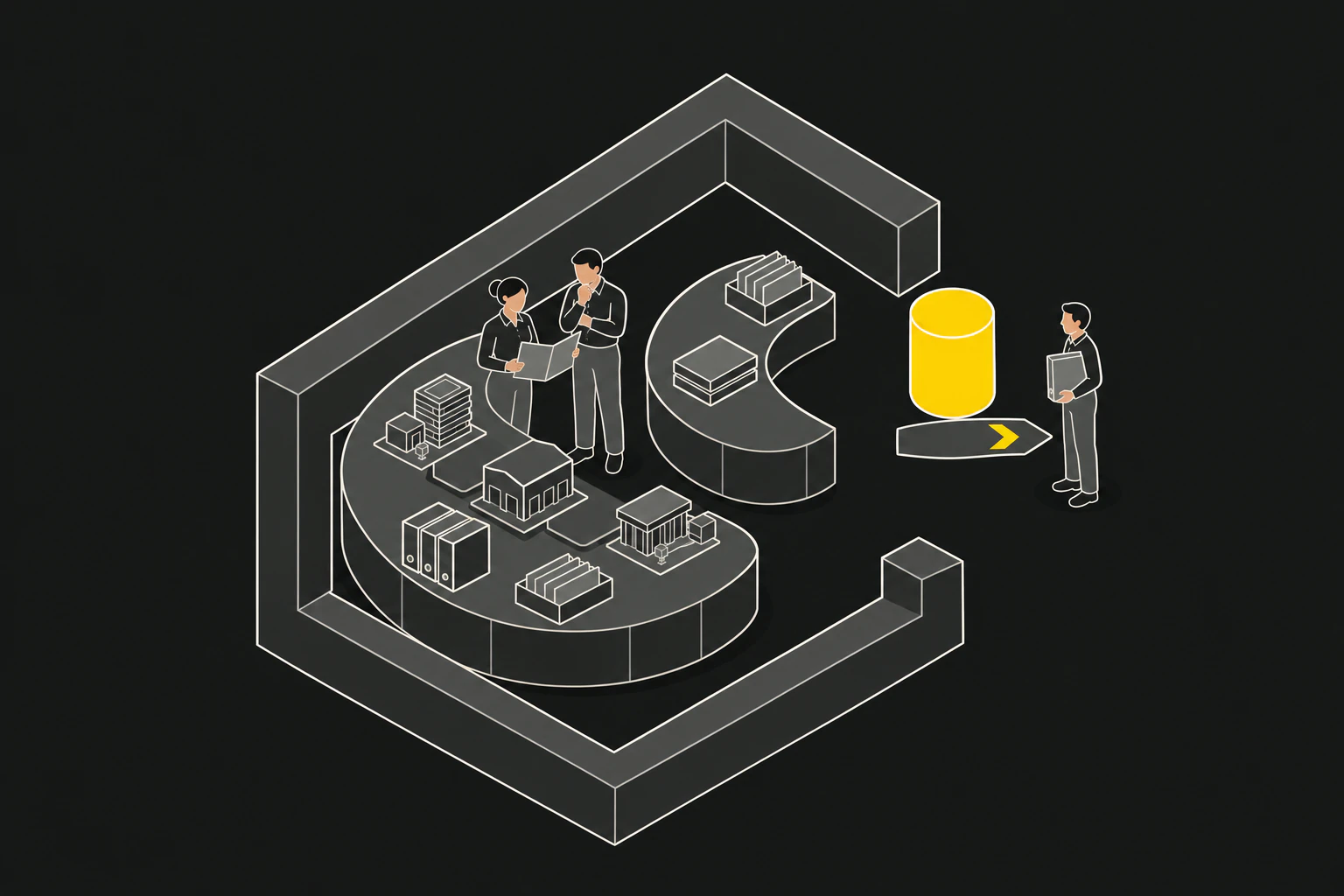


OuroCircle
Know the client. Keep the context. Move the relationship forward.
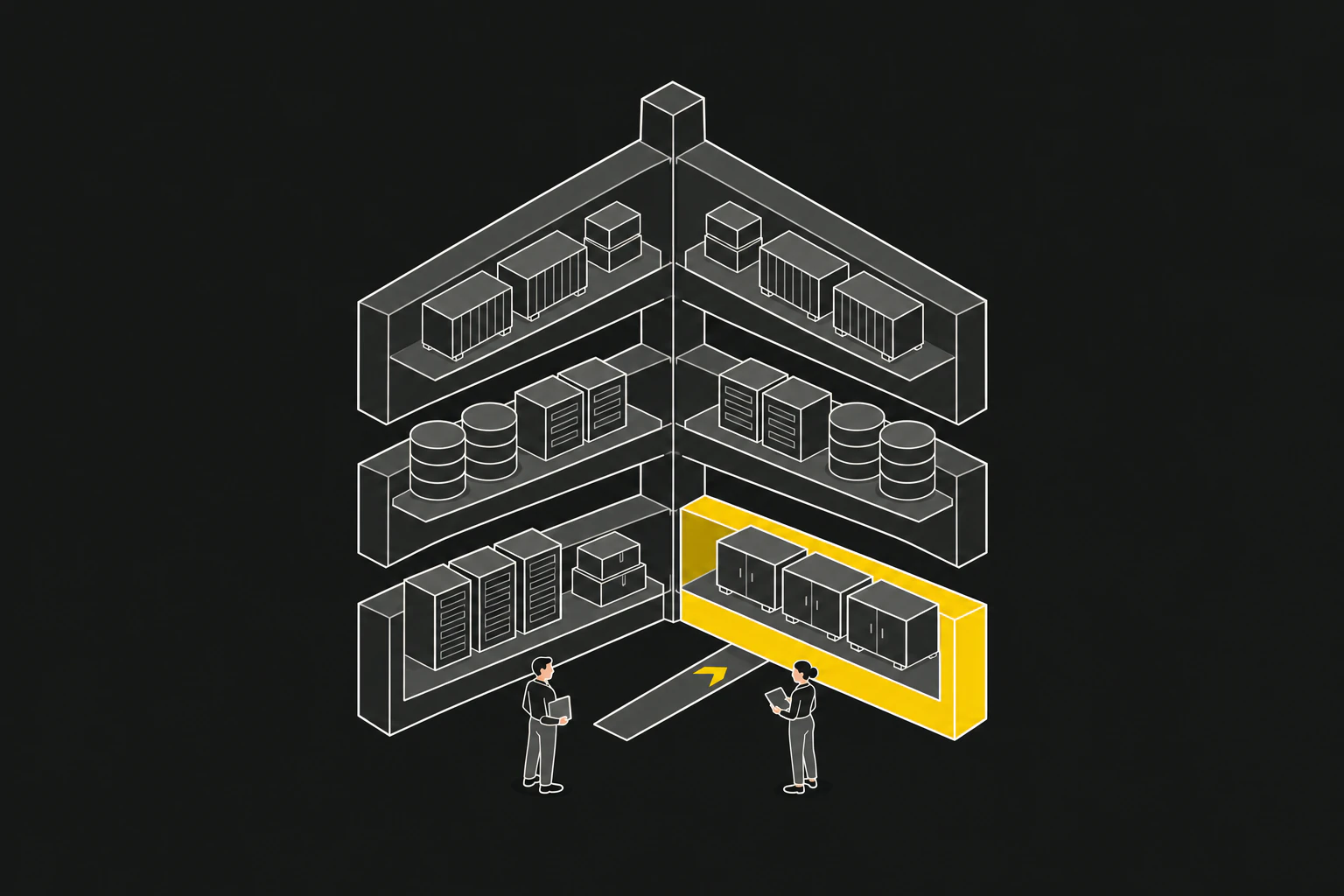

OuroHosting
Your applications, under control. Your time, back on the business.
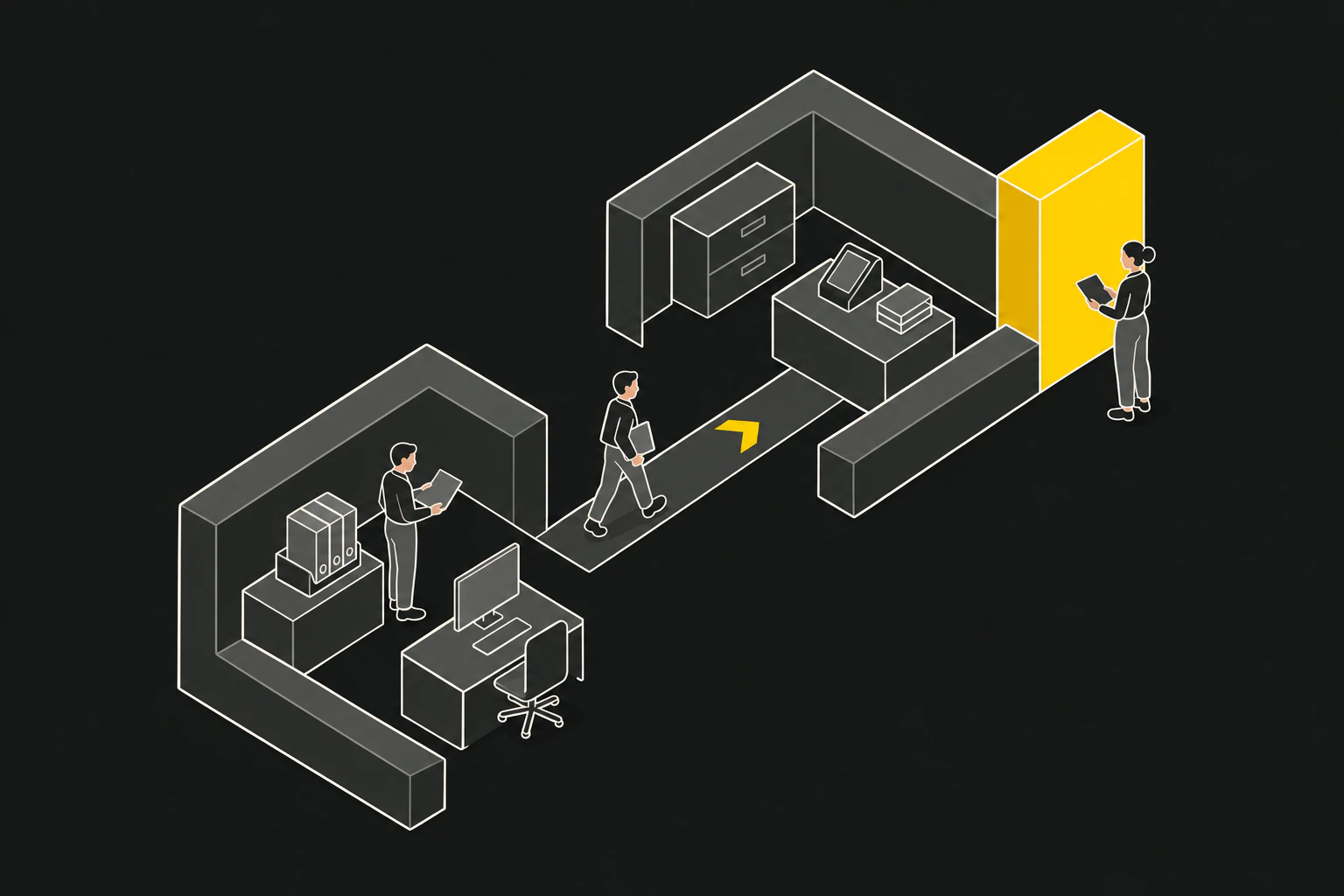


OuroAccounting
From invoice to payment. Keep the story together.
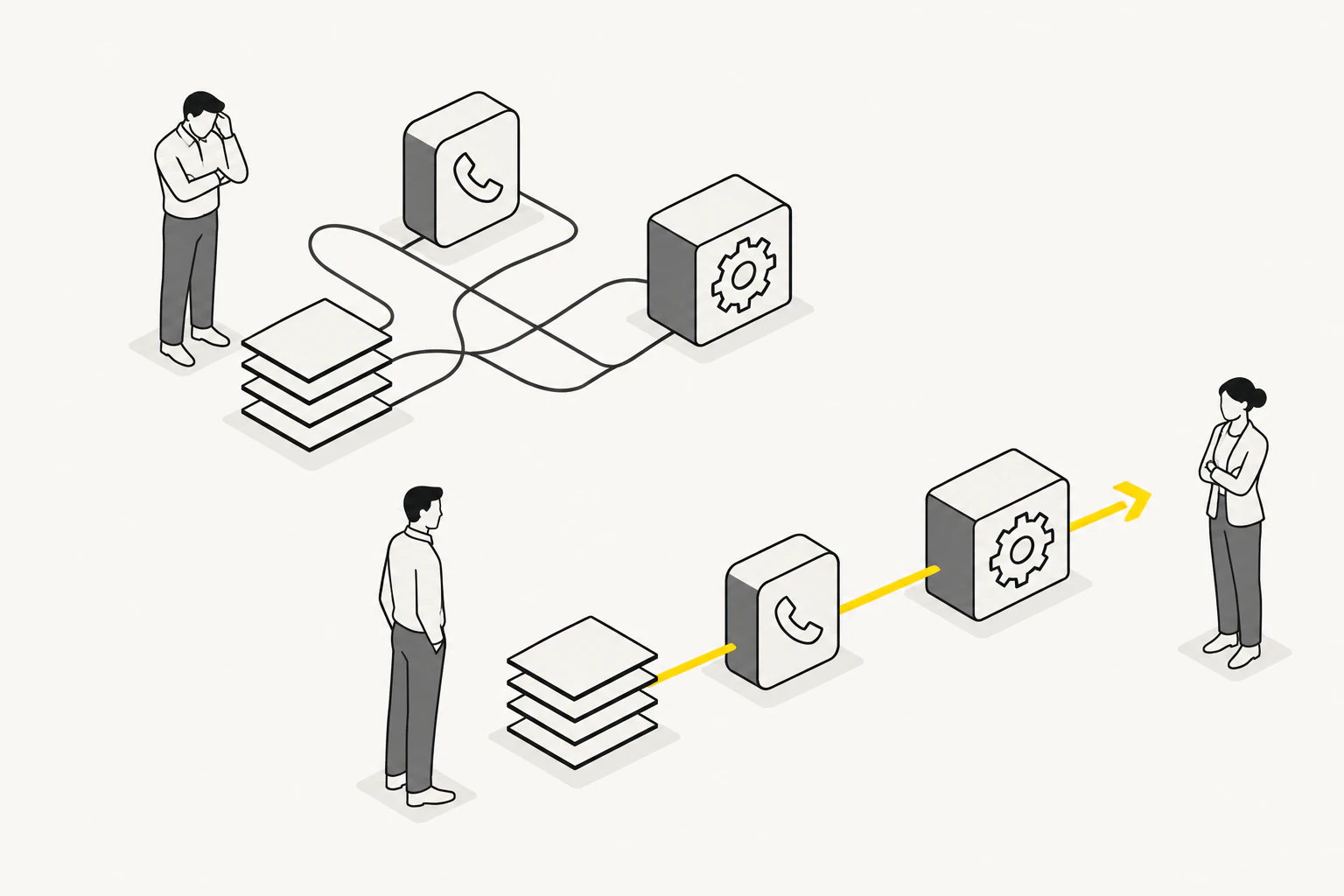
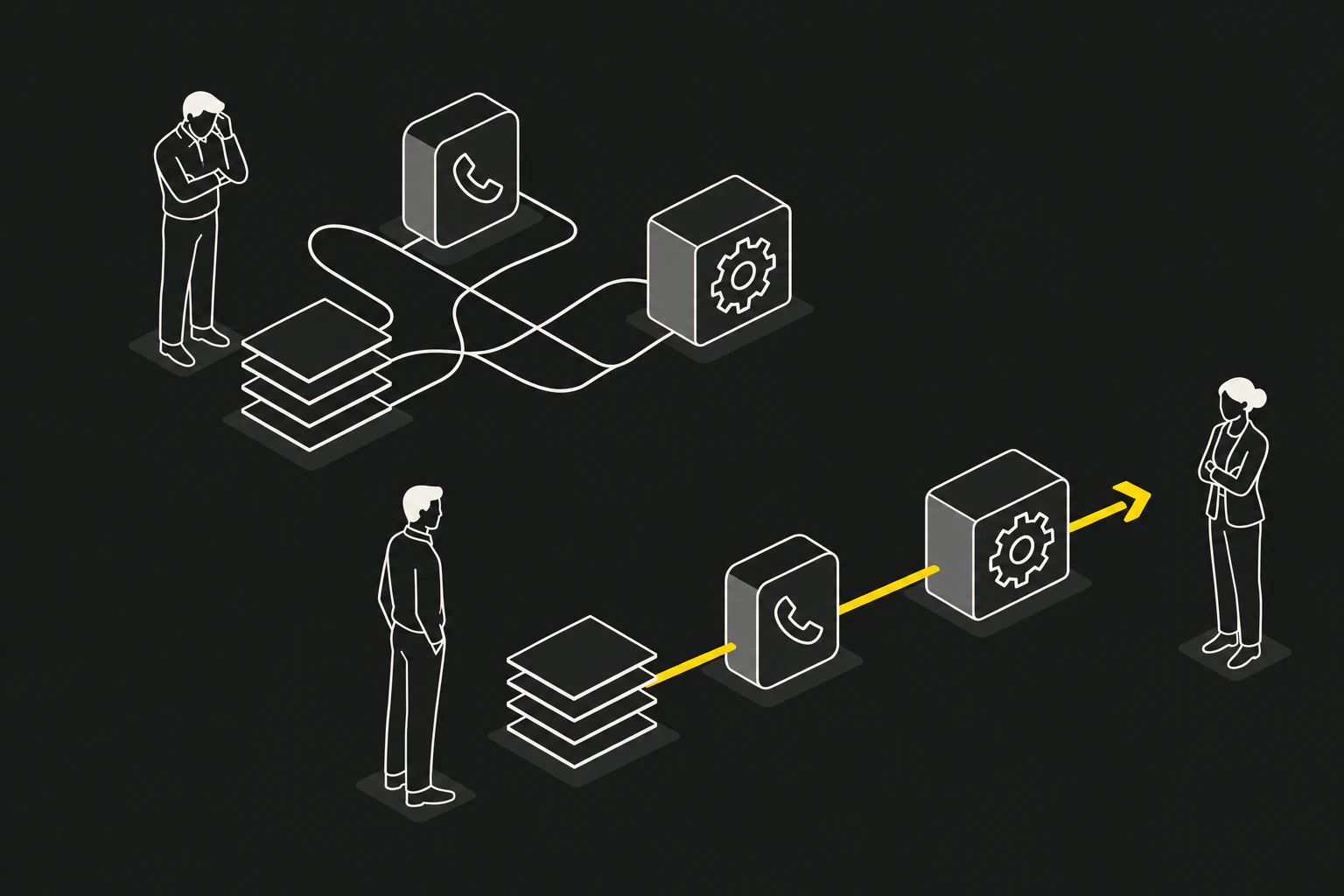
Operational friction
Your business is hurting.
The strain shows up in your team first.
Repetitive work
Your team stays busy, but too much of the day disappears into repetitive work. You can feel the business has more in it, yet disconnected tools and processes keep pulling people away from the work that earns revenue.
Frustrated team
Frustrated employees complain, their work suffers, and the whole team feels it.
Missed deadlines
Missed deadlines add more pressure, customers start complaining or leave, and the backlog keeps growing.
Time and money lost
Before long, you are losing time and money faster than your team can recover either one.
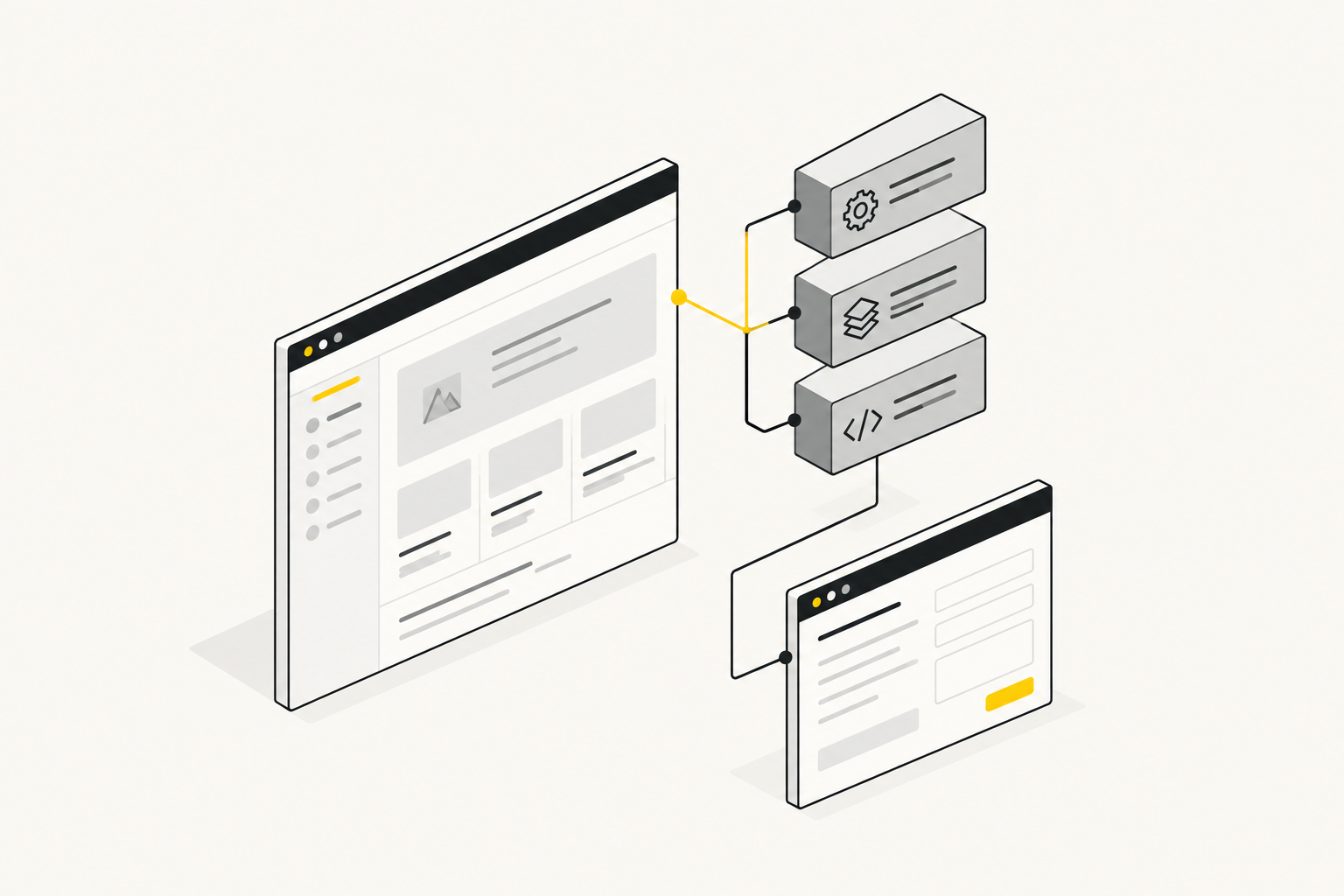
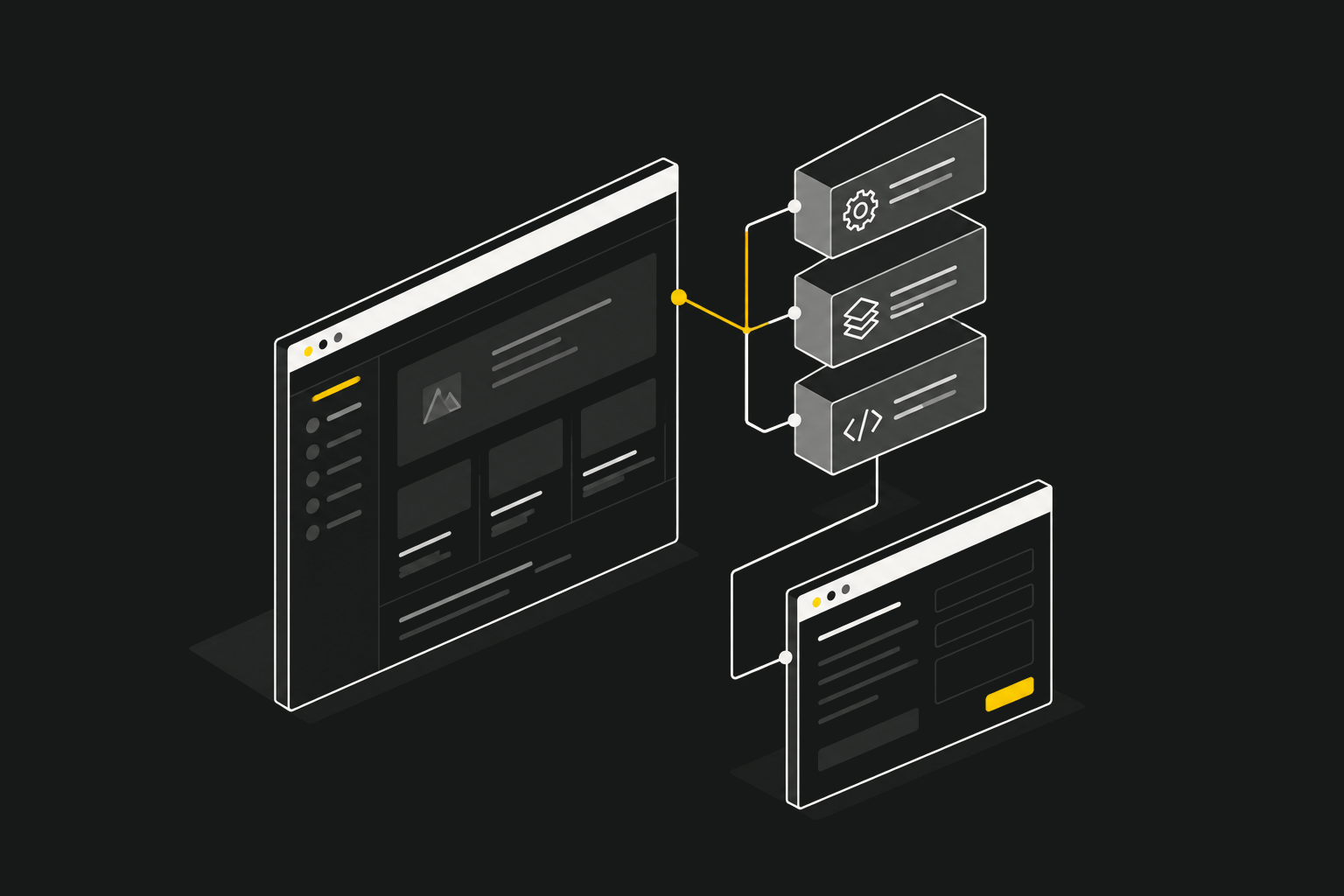
Software
We listen before we build.
Listen, then study
We start by listening to the problem in the client’s own words, then study the software, tools, and capabilities already shaping their operation.
Plan, shape, refine
From there, we build a plan around the outcome they want and shape the solution with them, refining it by hand until it delivers meaningful value in the way their business runs.
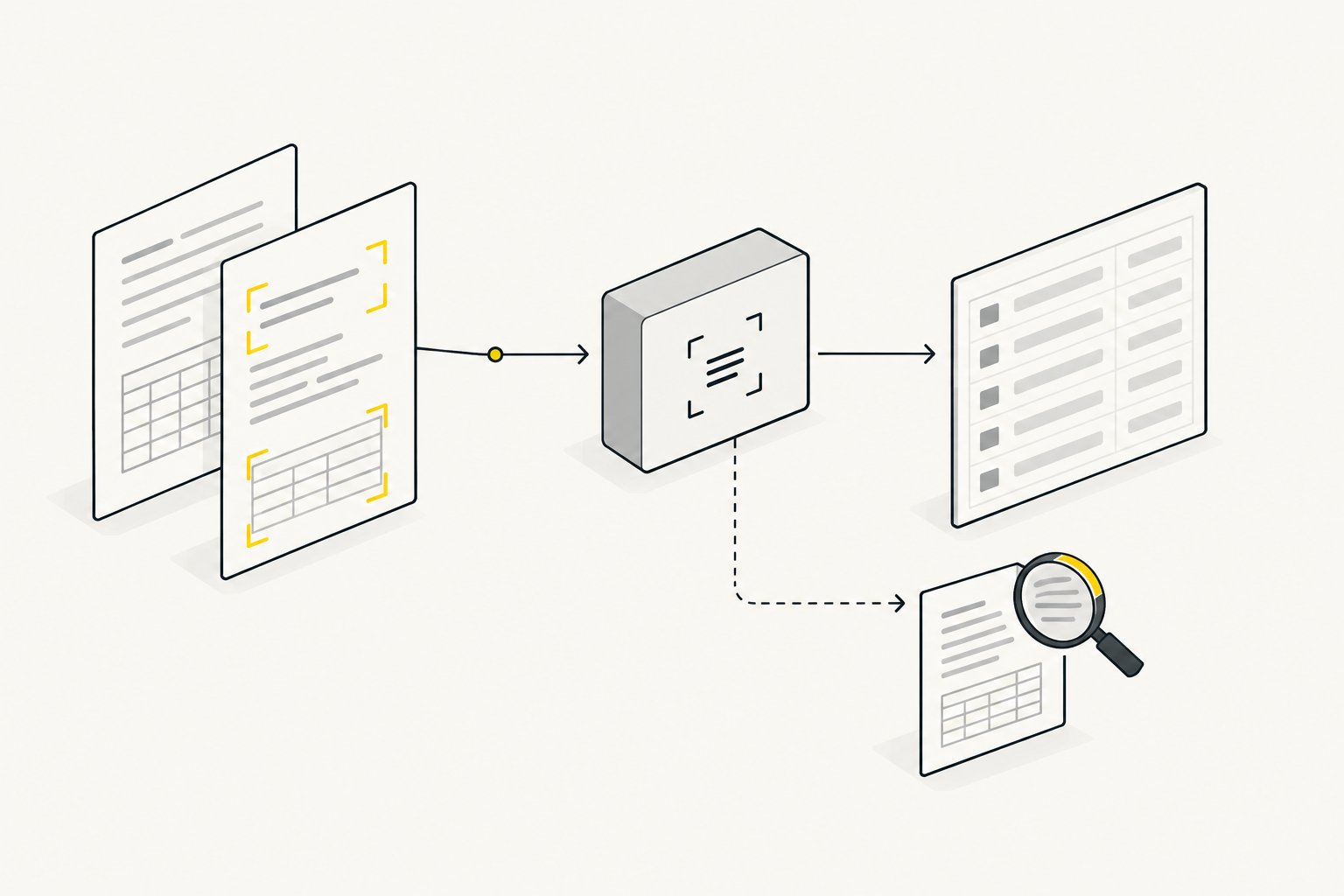
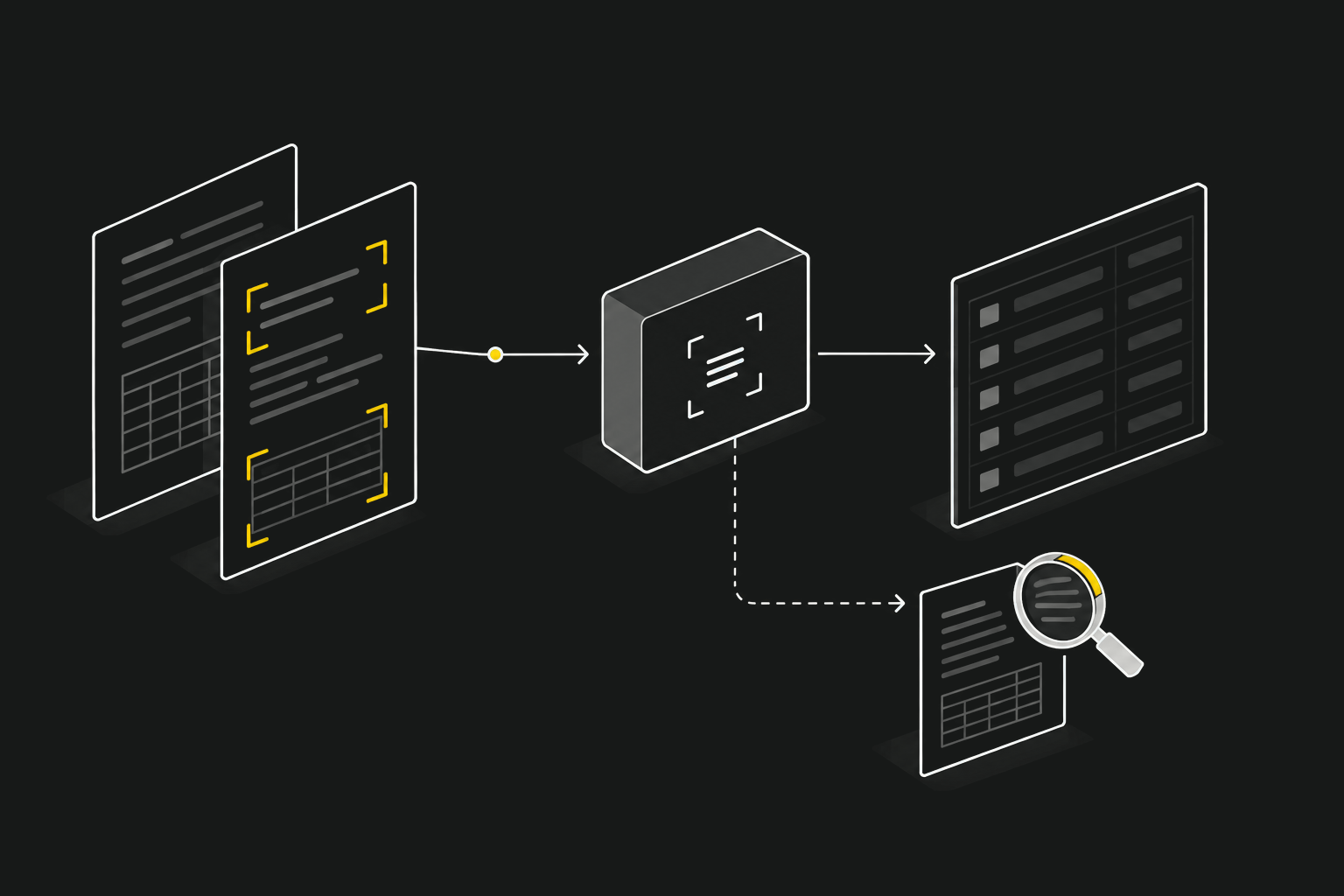
AI Systems
Concrete processes.
Repeated documents and data
AI and OCR work best when teams spend hours moving through the same kinds of documents or data: extracting invoice details, processing forms, classifying email, comparing contracts, routing requests, and flagging exceptions for review.
People validate or correct
We look for consistent inputs, a clear expected result, and a way for people to validate or correct mistakes.
Local models for sensitive data
When the work involves personal or sensitive information, we use local models and controlled infrastructure with strong access controls, logging, and auditing.
When we avoid AI
We avoid AI when the work is rare, subjective, legally or ethically sensitive, or when a mistake could cause serious harm.
Less cost and risk
If a workflow rule, better form, template, or conventional automation can solve the problem with less cost and risk, we use that instead.
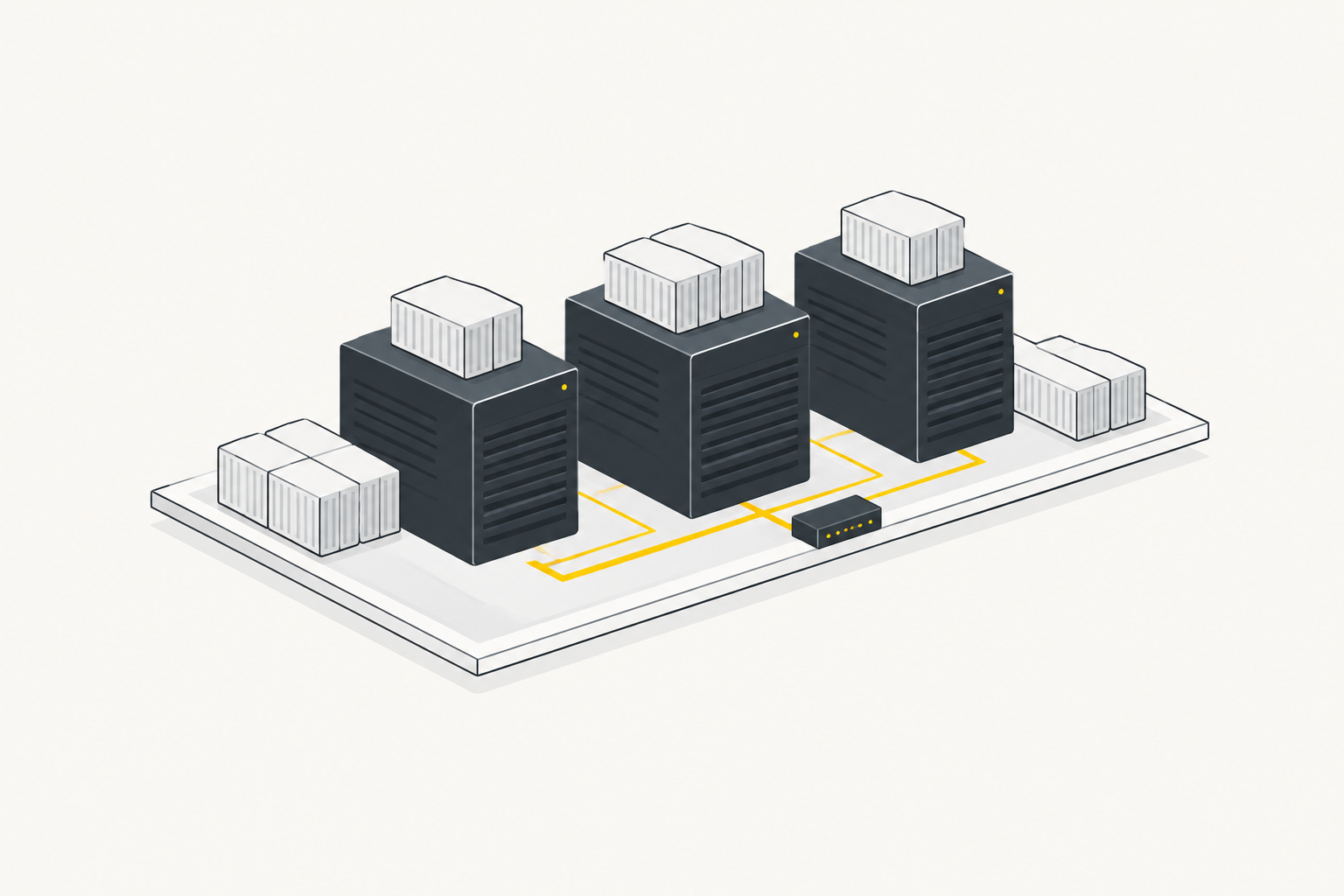
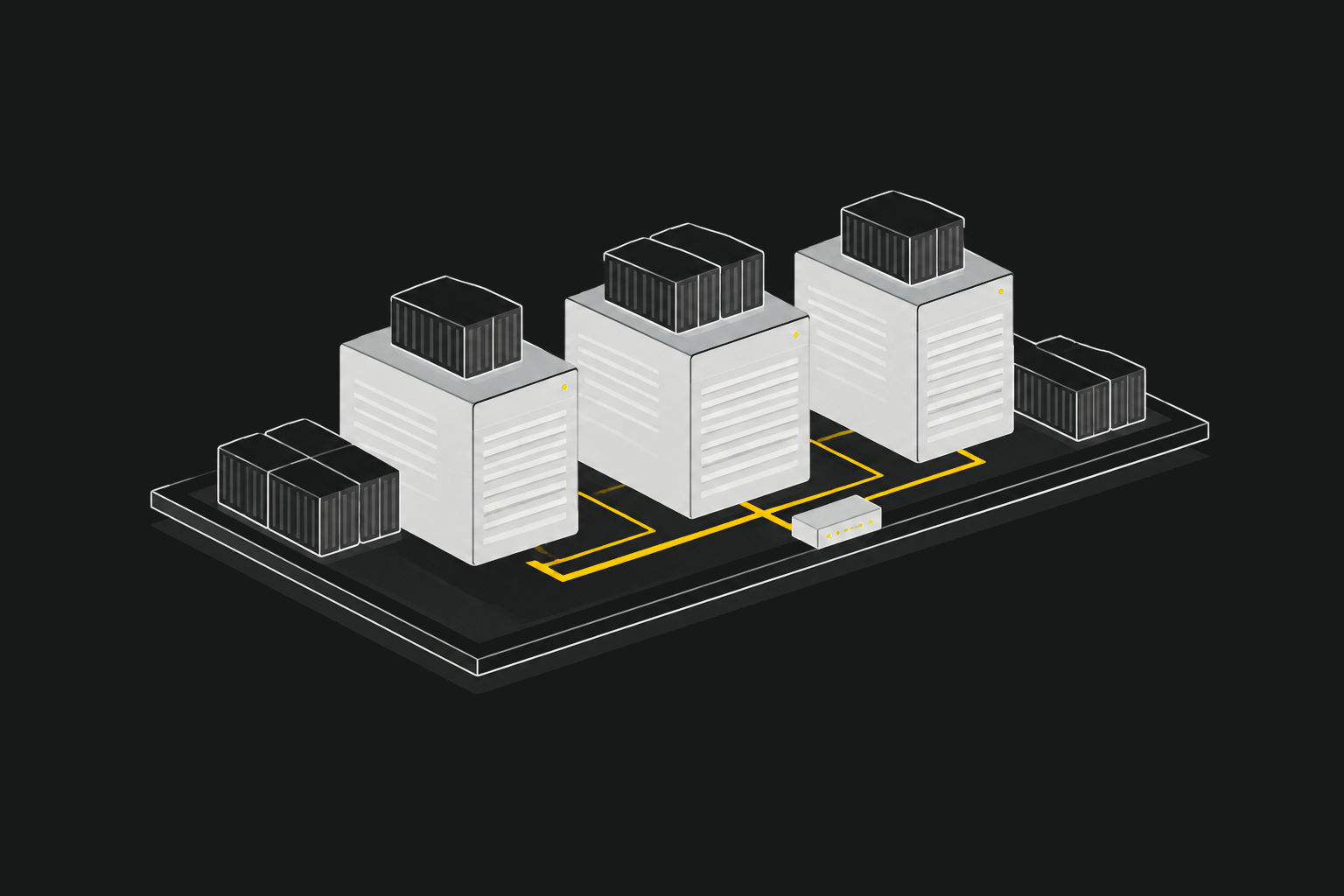
Infrastructure
Data sovereignty.
Clients should know where their data lives, who can access it, and what happens inside the systems that handle it.
Where it is hosted
We can host data on their premises or in privately managed infrastructure, with access limited to authorized people, activity logged, data encrypted in storage and transit, and backups maintained on an agreed schedule.
Containers and monitoring
Containers isolate applications and make systems easier to maintain or move, while monitoring helps teams catch issues early.
Replication and tested recovery
Replication and tested recovery processes reduce downtime and protect business continuity.
Controlled steps
As demand grows, we scale capacity in controlled steps to maintain performance and availability.
Supervised access
Clients can also request supervised access to review their infrastructure and data-processing environment without risking changes to critical systems.


Our process
A step towards freedom.
Free call
The bottleneck
During the free 30–45 minute call, we focus on the operational bottleneck causing the most strain, whether the business is a good fit for our approach, and what a practical solution might look like within its budget.
A clearer view
By the end, the business leader should have a clearer view of the opportunity, its possible impact, and whether a deeper engagement makes sense.
Not included
The call is exploratory and does not include technical analysis, a formal proposal, or implementation work.
Paid assessment or discovery
If you continue
Clients who choose to continue can move into a paid assessment or discovery engagement.
In depth
That is where we research the problem in depth, evaluate the expected return, map integrations across suppliers and business contacts, and design an implementation plan around the right level of automation, minimal disruption, and a practical deployment timeline.
Free 30–45 minute call
Industry experience
Our team brings 25+ years of combined experience.
- Managed service providers
- Printer service businesses
- Transport businesses
- Online trading platforms
- Shopify merchants
Certified Shopify developer

Meet the founder
Fakhri (Daniel) Hammami
Founder and President, Moins Technologies
Automation is not an end in itself. It should help a business work better without losing sight of the relationships that make it matter.
Read the founder’s storySelected work
Selected systems
The founder and developer behind Moins Technologies has built operational systems across transport, finance, warehousing, and online commerce.
Client names remain private, but the problems and the work can be shared.
Explore our workTransport, from booking to invoice
- Booking
- Operations
- Invoice
A transport company was paying for an expensive platform that no longer fit the way it worked. Our founder built an end-to-end operating system that carried each booking through operations and invoicing. The client owns the code and now works with us to bring the product to other transport businesses.
Inventory across every location
- Warehouses
- Shopify store
A multi-location retailer needed its warehouses and Shopify store to agree on what was available. Our founder built a synchronization layer designed to keep inventory aligned in near real time and give staff a more consistent view of stock across locations.
Financial data outside the inbox
- Email and spreadsheets
- Encrypted gateway
Finance teams needed a more controlled way to collect and review client information. Our founder built an encrypted gateway with controlled access, activity records, and source verification, replacing workflows spread across email and spreadsheets.
Other operational systems
Our experience also includes automated quoting workflows that reduced preparation from hours to minutes, bulk product tools that cut listing work from minutes to seconds, and a warehouse database interface that made slow managerial searches feel near-instant.
Company
Real accountability.
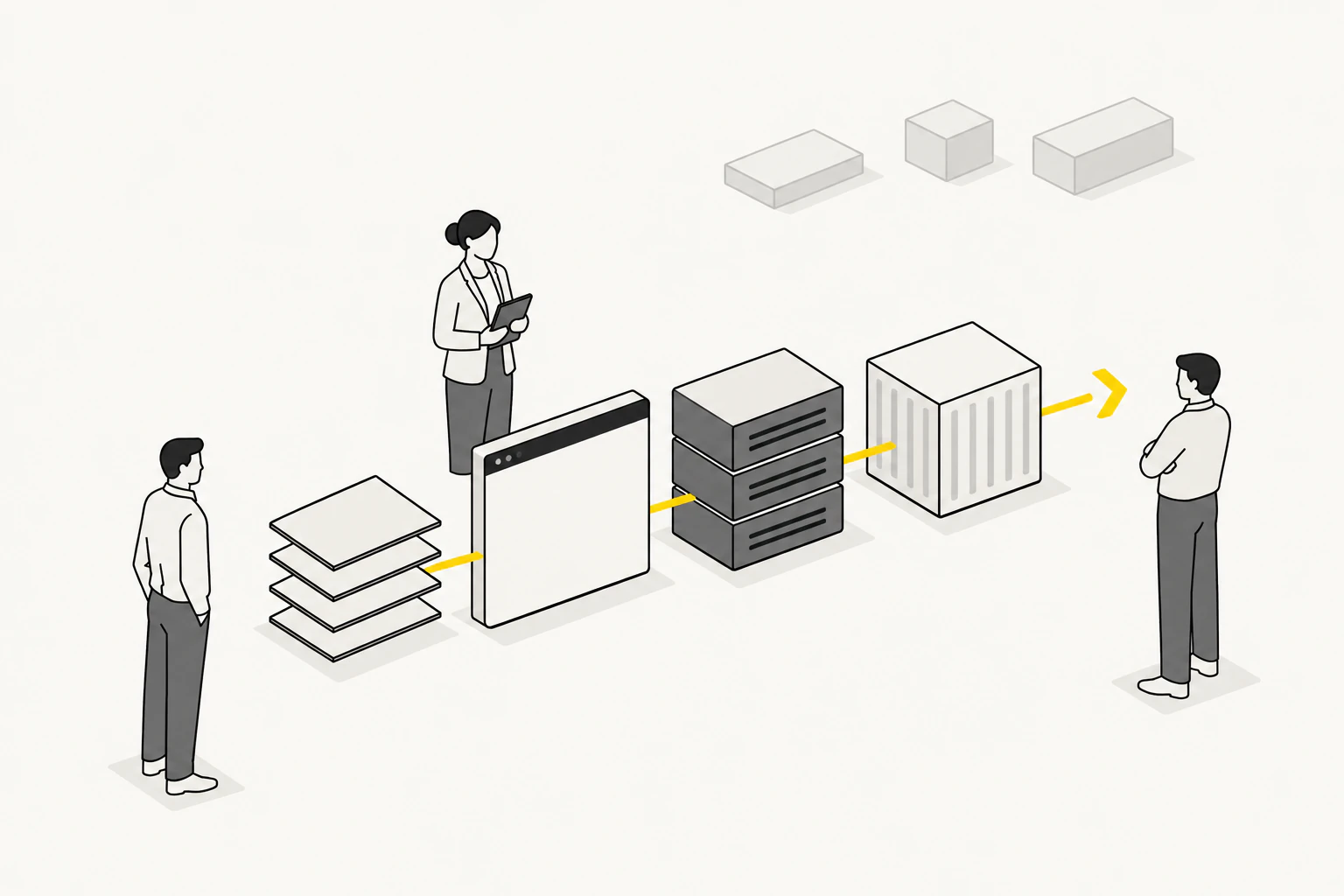
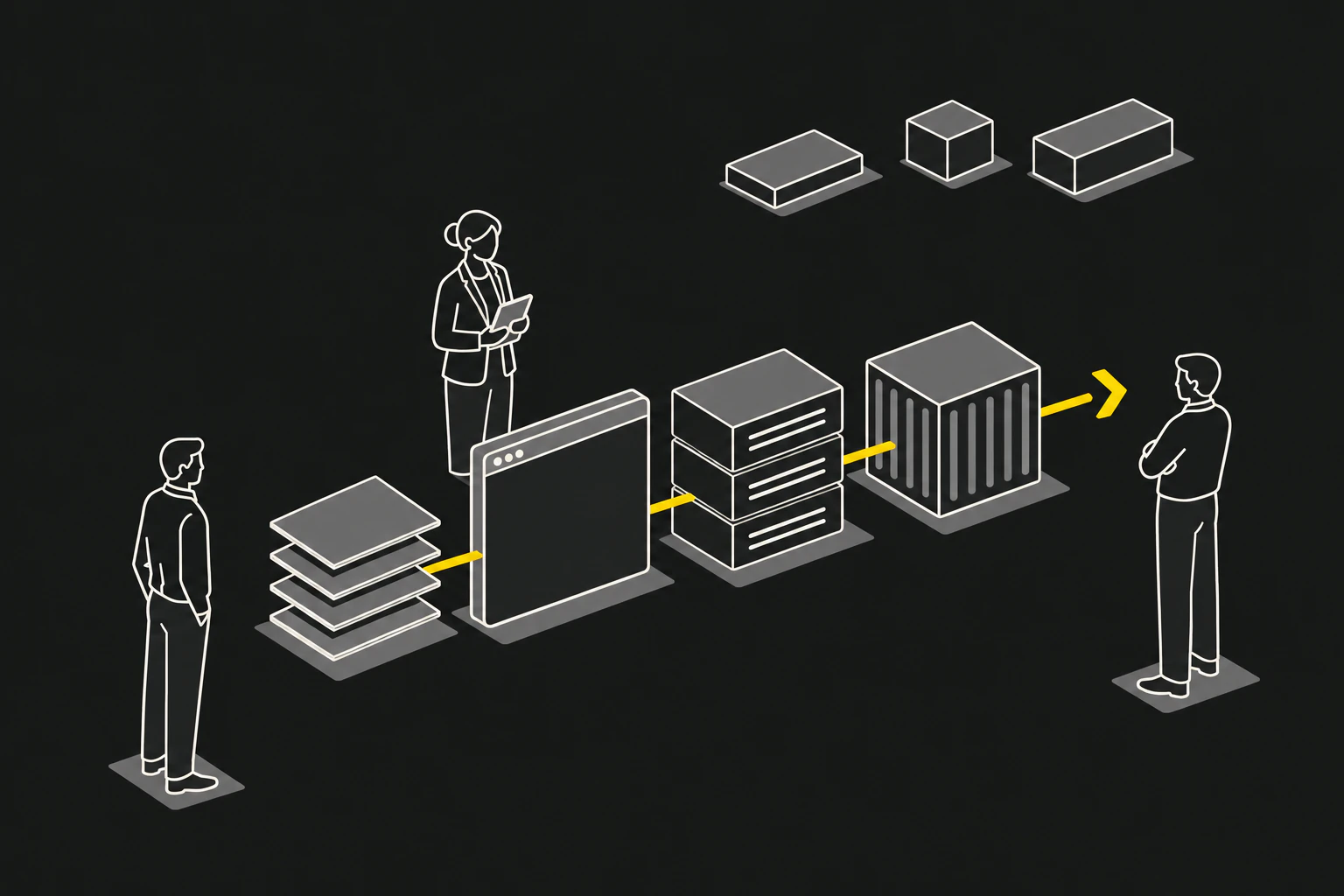
One team remains responsible for testing, security, and delivery from end to end.
The whole system
Compliance requirements, integration, and testing need to be considered across the whole system.
Separate vendors
When separate vendors own isolated pieces, a failure in one can stop the operation while responsibility gets passed from team to team.
The full chain
We maintain a technical view across the full chain so we can design safeguards, backups, redundancy, and recovery around the way the company works.
Contain and recover
If one piece breaks, the system can contain the problem, recover where possible, and give the same dedicated team a clear path to repair it.
Fewer dependencies
Fewer external dependencies also mean fewer places for financial records, names, phone numbers, targets, and other sensitive information to travel.
Start with the bottleneck causing the most strain.
Free 30–45 minute call